


M2
Origin: Italy (Università degli Studi di Milano [DiSAA]1986).
VEGETATIVE FEATURES
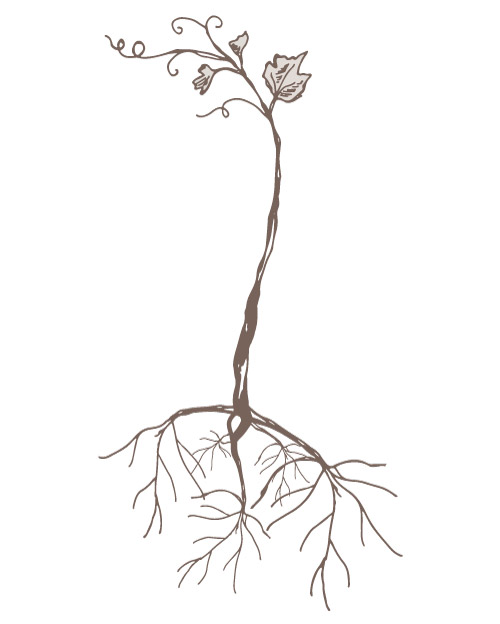
Leaf: large, wedge-shaped, whole, slightly three-lobed, with an open V-U petiolar sinus; the upper side is hairless, and the flap is bullous, dark-green-colored, opaque; the lower side is bristly and green colored, with light-green ribs.
Woody shoot: very long, branched, with averagely developed secondary shoots, velvety, uniform, brown-red colored.
CULTURAL APTITUDES
Ability to promote fruit setting:
good
Root system regeneration:
good
Adaptability to soil type:
- compact: good
- wet: good
- dry: good
- stony: good
- acidic: acceptable
- saline: everage
Branching pattern of the roots:
taproot
Tendency to emission of suckers:
poor
Susceptibility to deficiencies or excesses:
- deficiency of N: sensitive
- deficiency of K: acceptable
- deficiency of Mg: acceptable
- deficiency of Fe: good
- deficiency of Ca: low sensitivity
- deficiency of B: sensitive
Resistance to root phylloxera:
good
Resistance to leaf phylloxera:
sensitive
Susceptibility to fungal and plant diseases:
downy mildew: low
powdery mildew: low
anthracnose: low
OTHER INFORMATION