VCR Research Center

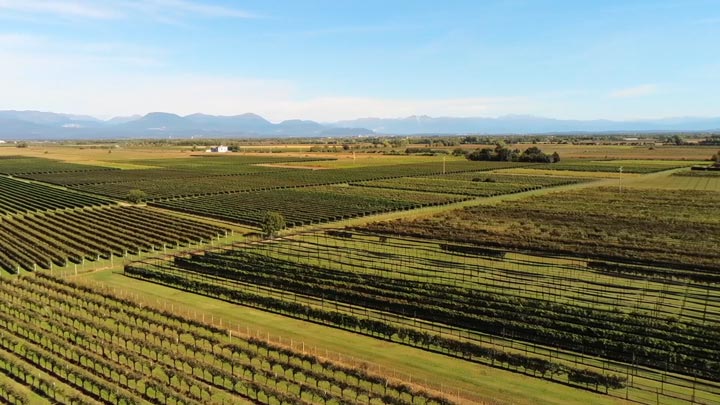
Harmoniously immersed in the Rauscedo countryside, in the very heart of Friuli Venezia-Giulia, a territory with a grand wine-growing heritage, the architecture of the new VCR Research Center takes up the distinctive shape of a vineyard, with its pillars to mimic tutoring stakes and its vault to symbolize the canopy: a blend of modernity and tradition.

The roots of this technological center have deep origins, being the result of a far-sighted cooperative vision dating back in 1965, when VCR resolved to create a cutting-edge facility to perfect nursery techniques and to start its own genetic improvement program. Back then, clonal selection was in its early steps and Vivai Cooperativi Rauscedo, the only private company able to claim the title of “Grape Breeder”, managed in 1969 to register the first 51 “Rauscedo” series clones.

Many challenges and bets have been won since that day and, as history teaches, many other such challenges – perhaps even harder – will have to be faced. With that in mind Vivai Cooperativi Rauscedo have invested once again in Research and Innovation, creating the VCR Research Center.

Scroll to see more VCR research center photos

Spread over an area of 22.5 hectares the Center consists of:

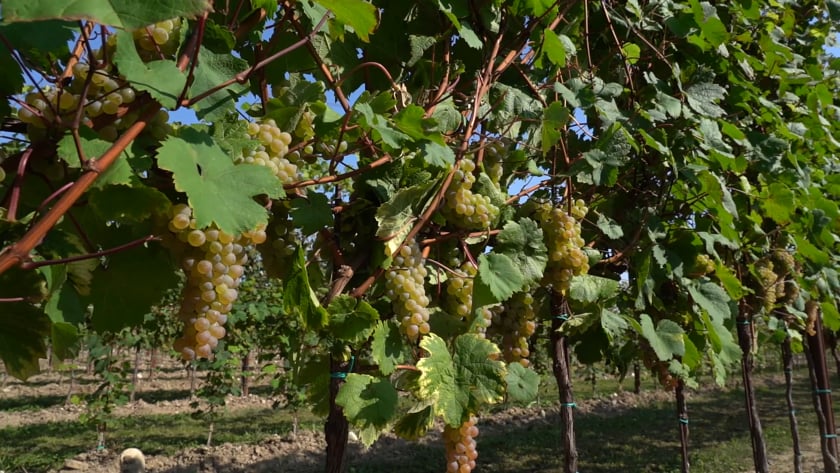
  • 19 ha of vineyard with 612 clones, 271 conventional wine and table grape varieties, 35 rootstock varieties and over 31,000 experimental varieties.
  • One hectare entirely devoted to biological tests via plant indicators for health status certification of potential clones and new varietal breeds.
  • A facility dedicated to hot-water treatment of the propagation material, equipped with a 80hl tank.
  • N.1 winemaking cellar hosting 600 micro-vinifications per year and more than 300 nano-vinifications, with adjoining oenological laboratory for analysis and clone comparison of conventional varieties and new wine and table varieties
  • N.1 climate-controlled cell for white wines Maneurop MTZ64, Satif
  • N.1 climate-controlled cell for bottling/clarification Maneurop MT40, Satif
  • N.1 climate-controlled cell for red wines MANEUROP MT100, Satif
  • N.1 285m² wine storage cell
  • N.1 60-seat tasting room
  • 365m² laboratories for serological and molecular diagnostics, microbiology, micropropagation, in vitro cultures and chemical analysis
  • N.1 100m² controlled-humidity pilot cold room for the storage of plant material, equipped with an innovative sanitization system
  • N.1 560m² screenhouse for the preservation of initial plants of VCR clone lineages
  • N.4 2,000m² heated greenhouses
  • N.2 2,200m² automated acclimatization tunnels
  • N.1 520m² temporary acclimatization tunnel
  • N.1 76m² grafting room
  • N.1 48 m² conditioned room for callusing
  • N.1 454m² tool and machine shed
  • N.1 470m² building for vine plants processing and potting
  • N.1 pilot potting line equipped with filler, press and stacker
  • N.2 carousel potting lines for large pots
  • N.1 70m moving belt line for potted vines
  • 200m-long stationary belts for product handling in the greenhouses and acclimatization tunnels
  • N.1 90-seat conference room, equipped with 3 soundproof live interpreter booths
  • N.1 guest house with kitchen, living room and 3 bedrooms with private bathroom.

vcr research center

Laboratory Descriptions

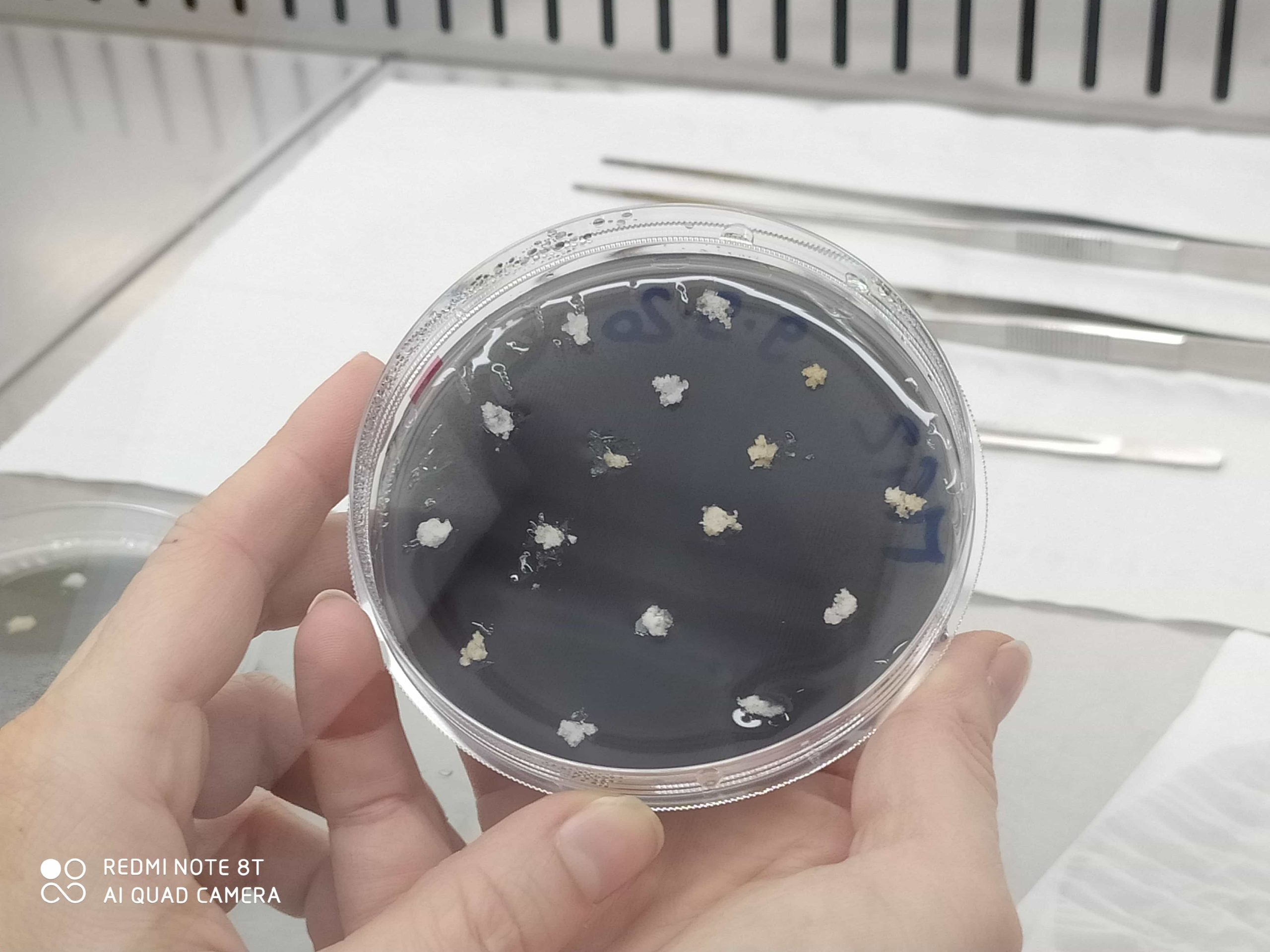
Area used for cell culture, embryo rescue and micropropagation. It is equipped with an innovative domotic control system to manage parameters such as temperature, humidity, photoperiod and light intensity allowing the simultaneous growth of various kinds of tissues.

This room is specifically assigned to in-vitro propagation of plant tissues. It is equipped with horizontal laminar flow hoods that guarantee utmost sterility conditions, comfort and safety for the staff.

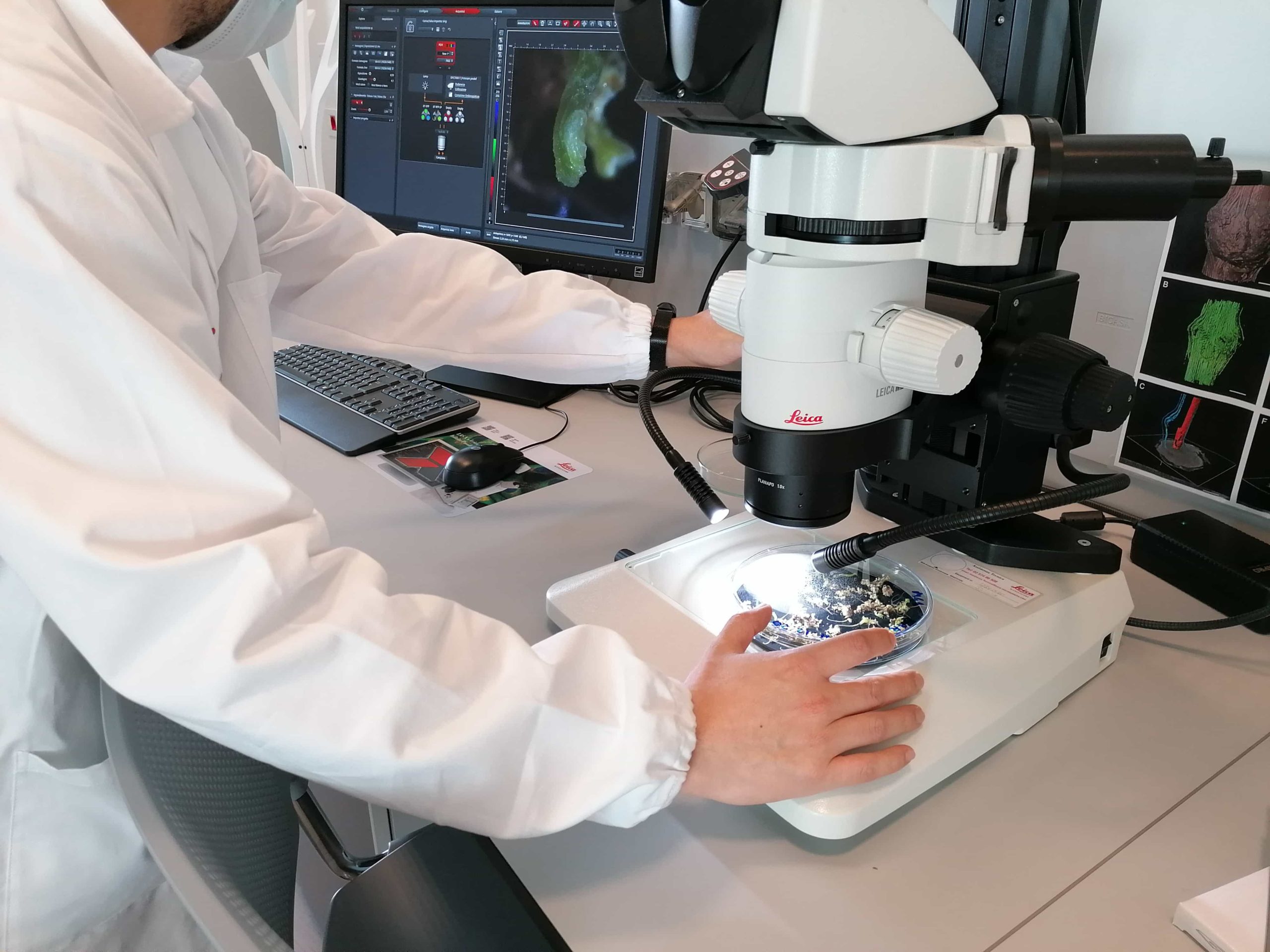
This laboratory has a preparatory function for the operations carried out in the previously described rooms. It is used for the preparation and testing of different culture media. Inside, an area entirely assigned to optical diagnostics is equipped with a next-gen fluorescence lamp stereomicroscope as well as with an optical microscope.

Plant and genetic bank for the conservation of tissues and nucleic acids.

A laboratory entirely assigned to molecular and bio-computer investigations, as well as to diagnostic on viruses, fungi, bacteria and phytoplasmas. It is equipped with thermocyclers for qualitative and quantitative PCR (q-PCR), nanodrops and systems for the acquisition and analysis of electrophoretic runs.

A laboratory equipped with two laminar-vertical flow hoods and a last-generation chemical hood, designed for the performance of chemical-physical protocols requiring utmost hygienic, sanitary and safety standards such as:

  1. Preparation of solutions and reagents;
  2. Extraction of nucleic acids;
  3. Isolation of fungi and bacteria;
  4. Cell culture

An area for virus diagnostics via immuno-enzymatic tests (ELISA test). It is equipped with incubators, a spectrophotometer and software for data interpretation and processing.

Room for reception, registration and preparation of plant samples to be sent to the respective laboratories for analysis.

A large and bright 30-sit room for technical, business and board meetings.

Area available to staff and guests for social and recreational moments.

This auditorium can accommodate about 90 people. It is equipped with 3 soundproof live interpreter booths and a state-of-the-art audio-video system for national and international conferences, workshops and meetings.

Reception desk and staff offices.

Watch the video and take a virtual tour

Contact us

Fill out the contact form with your data
and tell us about your projects: we will help you make them come true.